
Top Ten Questions to Ask
September 8, 2025
🏔️ The Mile High Advantage: How Denver’s Resilient Business Growth and National Shifts are Driving Demand for Smarter Office Desig
December 4, 2025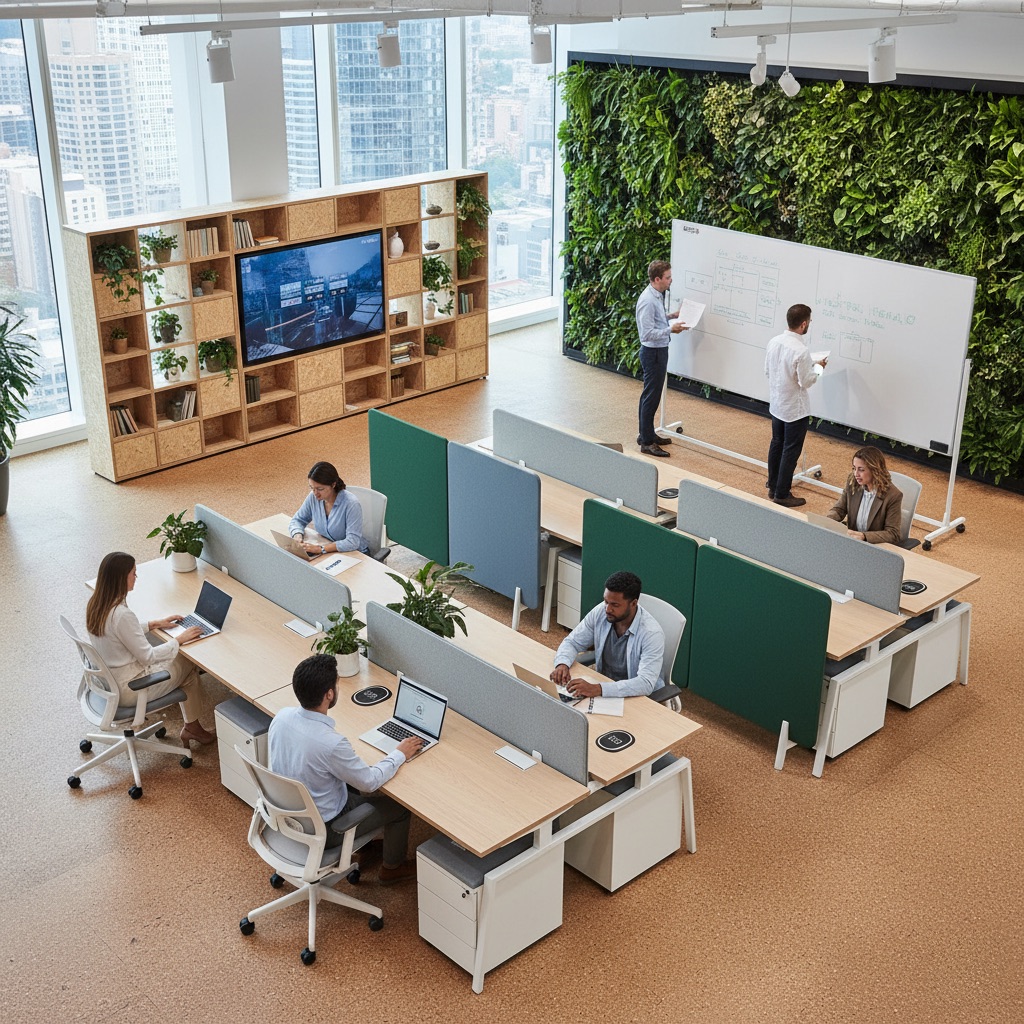
The Future of Commercial Furniture
The commercial furniture sector is undergoing a fundamental shift — moving from pure cost-focused procurement to a value-driven, client-centered investment model. As hybrid work becomes permanent, three megatrends are defining the path to 2026: Agility, Wellness, and Intelligence.
The New Design Mandate
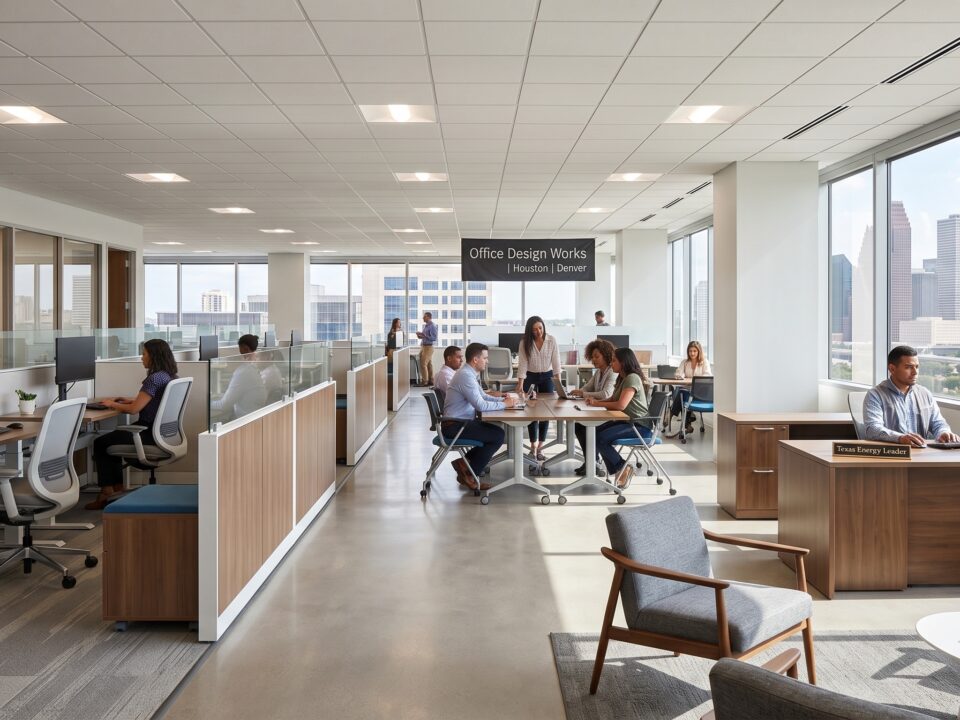
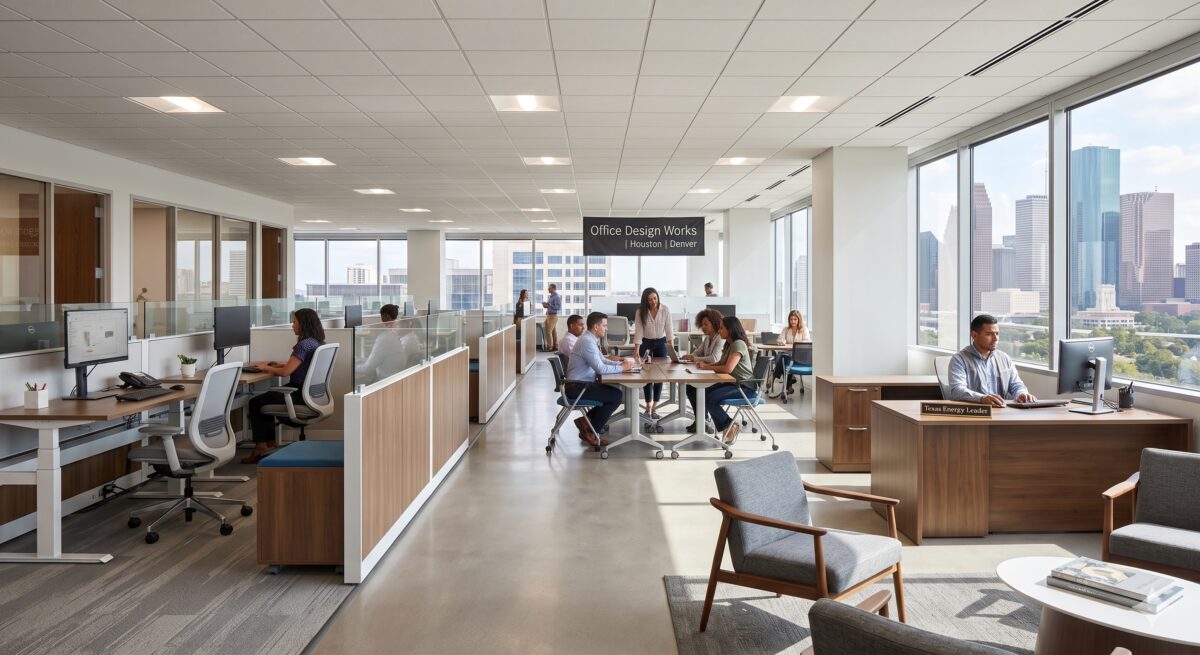
Leading firms like Office Design Works are no longer simply suppliers — they are strategic partners managing complexity. Success begins with deep consultation to fully understand an organization’s culture, work patterns, and future needs.
1. Agility: From Fixed to Dynamic Spaces
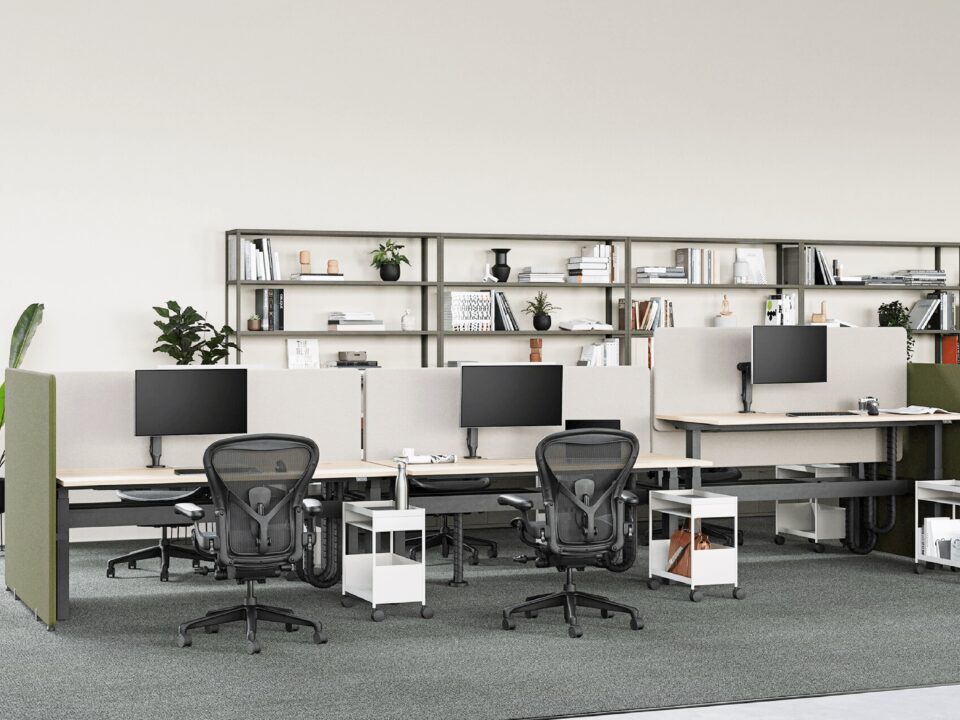
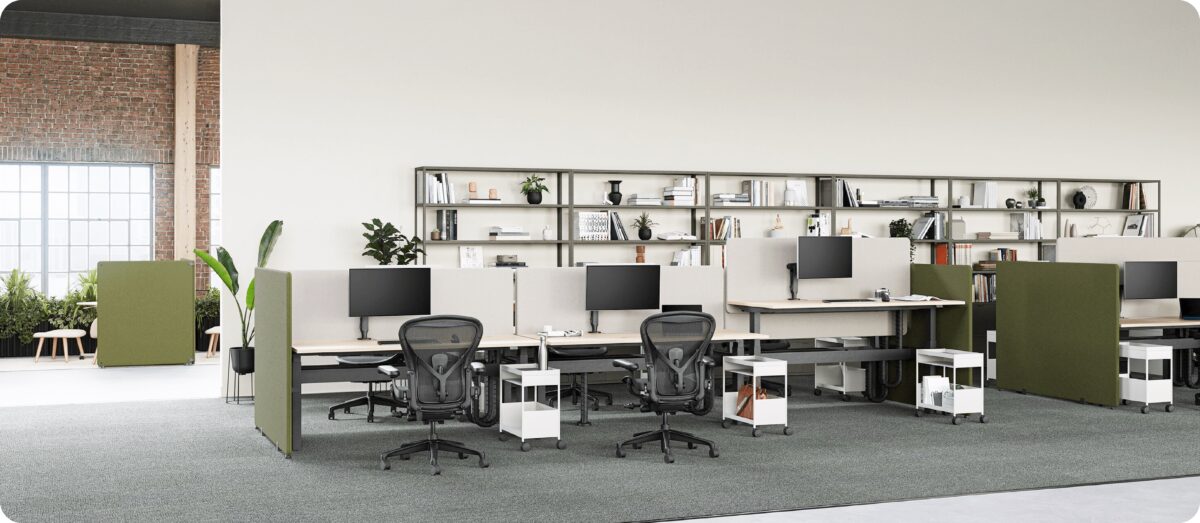
Traditional static layouts are being replaced by modular, multi-functional systems. Furniture must now support seamless transitions between deep focus work and collaborative environments. Mobile partitions, reconfigurable workstations, and flexible components are becoming standard.
2. Wellness: Human-Centered Design
Sustainability and biophilic principles are no longer optional. There is rising demand for certified low-carbon materials, ergonomic solutions, and environments that actively support physical and psychological well-being.
3. Intelligence: Technology-Embedded Furniture
Modern furniture is evolving into active environmental components. Integrated wireless charging, occupancy sensors, localized climate controls, and smart connectivity are transforming passive desks and seating into intelligent assets.
Execution Excellence: Logistics & Project Management
The complexity of today’s projects — spanning multiple product lines, detailed specifications, and phased implementation — demands exceptional project management. Streamlined delivery, expert installation, and precise timelines have become key differentiators.